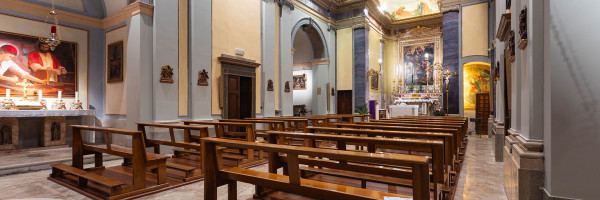
Church of San Martino
Zanano, Sarezzo (BS), Italy
From the Lombard era to modern radiant innovation
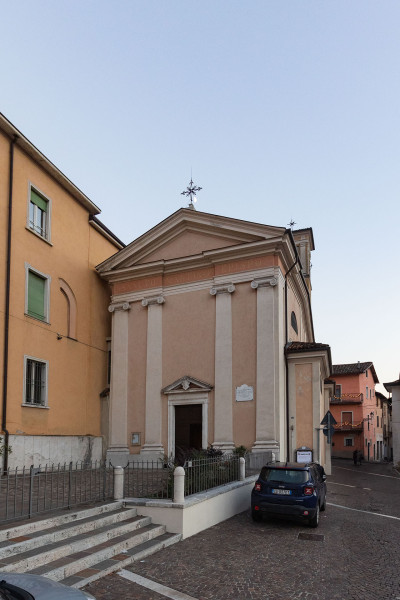
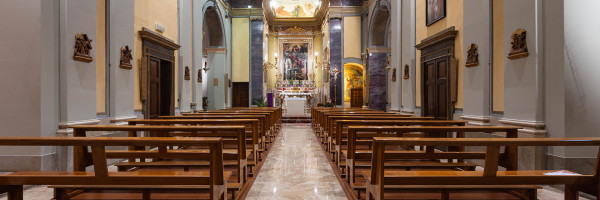
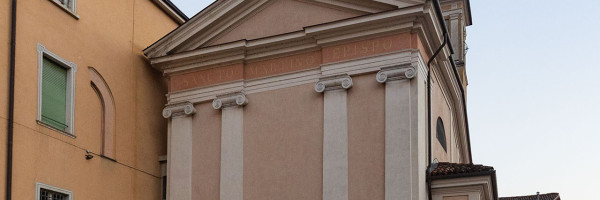
The Church of San Martino in Zanano has ancient origins dating back to the late 7th century, when the Lombards from Northern Europe settled in the area. In 757, Desiderius, of Brescian origin, became king and promoted socio-economic development through Benedictine monasteries and episcopal courts. He founded the Monastery of San Salvatore (Santa Giulia), to which he donated the Valle Trompia. The first small church in Zanano was built for the communal prayer of the nuns and local inhabitants, strengthening the spread of the Catholic faith. In 962, Otto I entrusted control of the territories to bishop-counts, including the Bishop-Count of Brescia, who managed the monastic complex together with the Avogadro family.
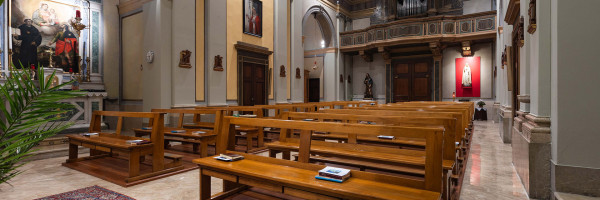
In 1426, Brescia became part of the Republic of Venice until 1797. During this period, the Avogadro family kept the church open to the local population. The building was reconstructed in 1604 and dedicated to Saint Martin. Between 1609 and 1616, paintings by Camillo Rama were added and daily Mass was introduced. After the plague of 1630, donations to the church increased significantly. In 1852, Don Luigi Torri carried out further renovations. At the end of the 19th century, the church and its assets were donated to the Congregation of the Ancelle della Carità of Brescia, which used the complex as an orphanage. In 1931, Zanano became an independent parish, and in 1957 new frescoes were added. In 1971, restoration works on the bell tower revealed 16th-century frescoes. In 2006, the Ancelle transferred part of the property to the Municipality, while the church remained under parish ownership.
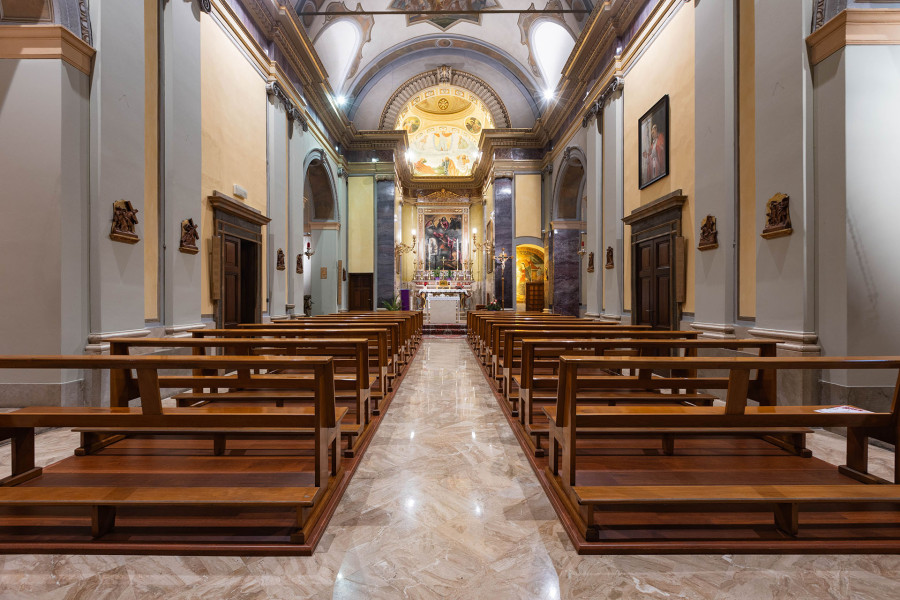
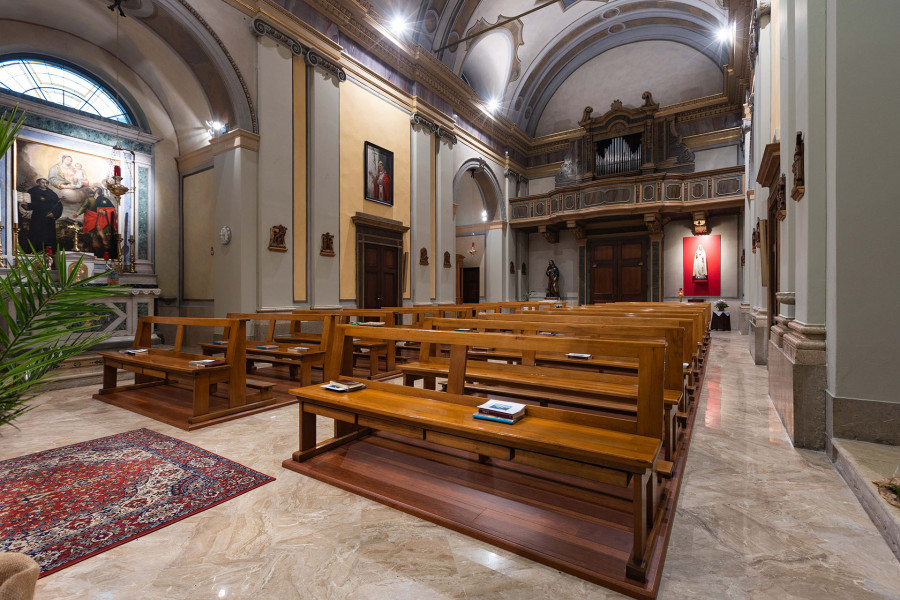
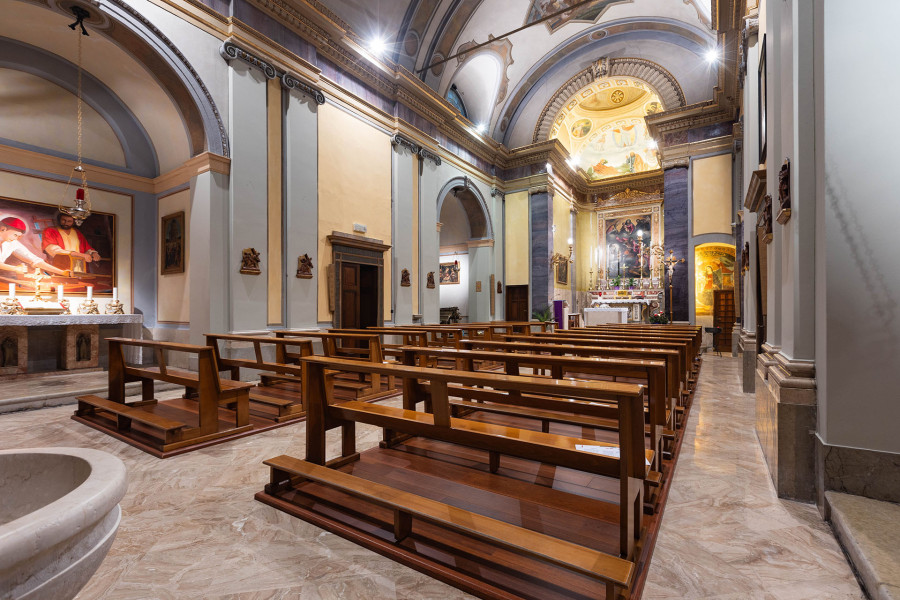
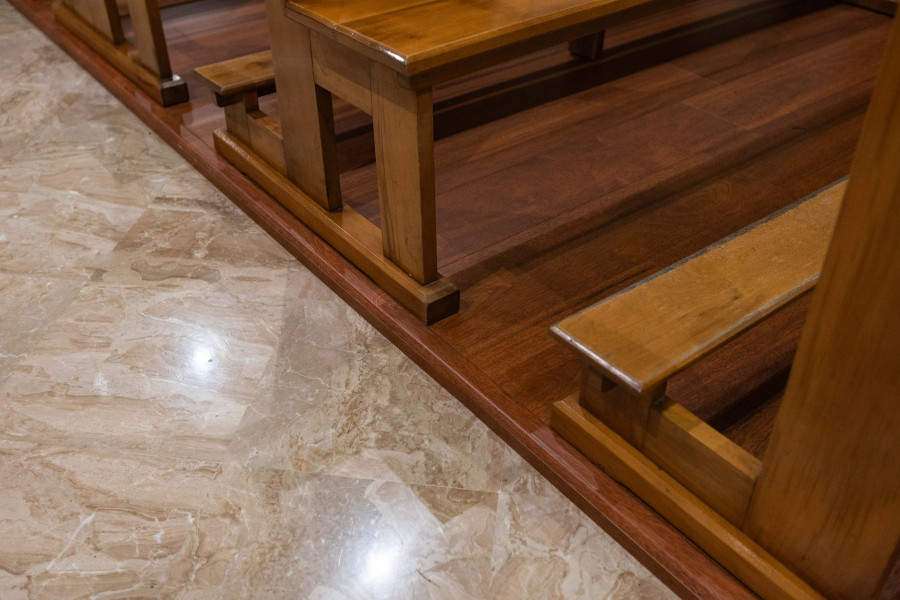
Between 2022 and 2023, the church’s heating system was renewed. To preserve both the environment and the artworks, the MORE FTA underfloor radiant heating system was selected. This innovative solution, featuring low build-up height, low thermal inertia and high efficiency, ensures immediate comfort while enhancing the architectural setting. The wooden covering conceals any irregularities and restores the visual purity of the spaces, fully respecting the historical context.